Weekly Meal Plan for Gestational Diabetes PDF
Your weekly meal plan for gestational diabetes PDF is an invaluable tool. It offers tailored guidance on balanced nutrition, helping manage blood sugar effectively during pregnancy. Download this free resource for easy, healthy meal planning.

Understanding Gestational Diabetes
Gestational diabetes is a condition where pregnant women develop high blood glucose. The body struggles to process carbohydrates into sugar effectively. Understanding this diagnosis is vital for a healthy pregnancy, impacting both mother and baby’s well-being.
What is Gestational Diabetes and Its Impact?

Gestational diabetes (GDM) is a specific type of diabetes that develops or is first diagnosed during pregnancy. It occurs when the body cannot produce enough insulin or use it effectively to regulate blood sugar levels, leading to elevated glucose in the blood. When carbohydrate-rich foods, such as fruits, vegetables, and grains, are consumed, the body breaks them down into glucose. In GDM, this glucose isn’t properly absorbed by cells, resulting in consistently high blood sugar.
The impact of uncontrolled gestational diabetes can be significant for both the mother and the baby. For the pregnant individual, risks include preeclampsia, a higher chance of a C-section, and an increased likelihood of developing type 2 diabetes later on. For the baby, potential complications include excessive birth weight (macrosomia), preterm birth, respiratory distress syndrome, and low blood sugar shortly after birth. Therefore, managing blood glucose levels throughout pregnancy is paramount for ensuring a healthy outcome and minimizing these risks.
The Crucial Role of Nutrition in Management
Nutrition is critically important in managing gestational diabetes. Careful dietary choices are fundamental for stabilizing blood glucose levels, the primary objective throughout pregnancy for women with GDM. By meticulously planning meals and selecting appropriate foods, expectant mothers ensure they receive all vital nutrients for their health and their baby’s development, while effectively preventing detrimental blood sugar spikes.
A well-structured eating plan is essential for controlling glycemic peaks – sudden increases in blood sugar post-consumption. This requires prioritizing foods that facilitate a slow and consistent release of glucose into the bloodstream. The goal is to provide adequate caloric intake and essential nutrients, actively preventing both hyperglycemia and hypoglycemia. This proactive nutritional approach significantly minimizes GDM-related risks, such as complications for both mother and baby, thereby contributing immensely to a successful pregnancy outcome.

Benefits and Accessing Your Weekly Meal Plan PDF
Accessing your weekly meal plan PDF for gestational diabetes offers immense benefits. It helps with effective meal planning, ensuring balanced nutrition and crucial blood sugar control. Download your free PDF for optimal health.
How a Weekly Menu PDF Aids Meal Planning
A weekly menu PDF for gestational diabetes significantly streamlines meal planning, offering expectant mothers a structured and comprehensive guide. This invaluable resource provides detailed daily meal and snack options, from breakfast to dinner, specifically designed to help control blood sugar levels during pregnancy. By emphasizing foods low in sugar and rich in complex carbohydrates, these PDFs ensure that crucial nutritional needs are met while maintaining glycemic control. They often include examples for three main meals and two to three daily snacks, incorporating slow-absorbing carbohydrates and essential nutrients. Having a pre-planned menu eliminates guesswork, reducing stress associated with dietary management and promoting consistent adherence to a healthy eating regimen. It acts as a practical blueprint, offering clear examples of food choices and portion guidance for balancing vegetables, proteins, and complex carbohydrates. This structured approach helps prevent glucose spikes, supporting both maternal and fetal health throughout the pregnancy journey. Users can easily follow recommended food lists, simplifying the process of preparing balanced, nutritious meals daily.
Downloading Your Free Gestational Diabetes Meal Plan
Accessing your free gestational diabetes meal plan PDF is a straightforward and highly beneficial step towards effective management of your condition during pregnancy. Many reputable health organizations and websites make these comprehensive weekly menus readily available for download, specifically designed to empower expectant mothers in controlling blood sugar levels through balanced nutrition. By securing this valuable resource, you gain immediate access to a detailed list of recommended foods, precise portion guidelines, and a variety of meal ideas spanning breakfast, lunch, dinner, and crucial snacks throughout the entire week. This downloadable PDF serves as an essential, user-friendly tool, empowering you to make informed dietary choices without the need for extensive research or complex calculations. It provides a structured framework for incorporating low glycemic index foods, ensuring adequate calorie and macronutrient distribution, including appropriate carbohydrate grams and protein percentages for each meal. Embracing this free, easily accessible plan allows you to proactively prioritize your health and your baby’s well-being with an easy-to-follow, effective dietary strategy. Secure your personalized copy today to seamlessly begin your journey towards healthier eating habits and better glucose control throughout your pregnancy.

Core Principles of the Gestational Diabetes Diet

The gestational diabetes diet focuses on blood sugar control. Key principles include emphasizing low glycemic index foods, balanced calorie and macronutrient distribution, and careful management of carbohydrate and protein grams for optimal pregnancy.
Controlling Blood Sugar Levels During Pregnancy
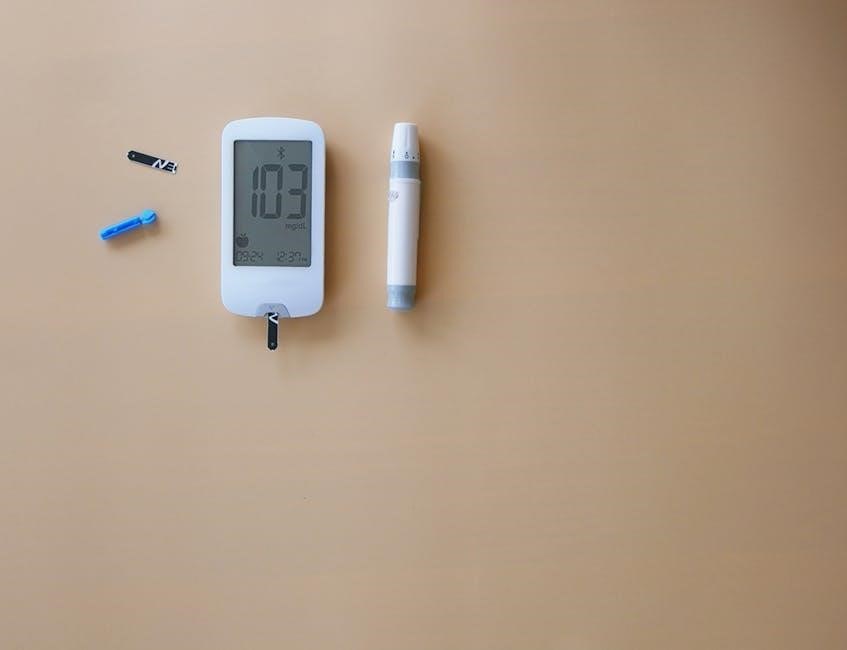
Controlling blood sugar levels during pregnancy is the cornerstone of managing gestational diabetes, a condition impacting many expectant mothers. This elevated glucose state necessitates a precise dietary strategy, vital for ensuring optimal health for both the mother and the developing baby. The primary objective is to normalize glucose readings and effectively prevent detrimental blood sugar spikes. Implementing a well-structured eating plan is paramount, involving the careful selection of foods that promote stable glycemia throughout the day. It is essential for women with this diagnosis to recognize nutrition as their most powerful tool for regulation. Such a plan focuses on delivering adequate caloric intake and essential nutrients, all while meticulously controlling glucose fluctuations. Consistent self-monitoring of blood glucose, before and after consuming meals, offers critical insights into the diet’s effectiveness, enabling necessary adjustments. The ultimate aim is to maintain glucose within target ranges, thereby ensuring a healthy pregnancy and reducing associated risks. Thoughtful meal and snack choices become indispensable for achieving metabolic stability and preventing post-meal surges; Adhering to these guidelines helps to foster a healthier environment for fetal development, emphasizing the diet’s crucial role.

Emphasis on Low Glycemic Index Foods
A cornerstone of managing gestational diabetes effectively is placing a strong emphasis on consuming low glycemic index (GI) foods. These foods are crucial because they cause a slower and more gradual rise in blood sugar levels compared to high GI alternatives. This controlled release of glucose into the bloodstream helps prevent the sharp spikes that can be detrimental during pregnancy for both the mother and the developing baby. Incorporating low GI options into your daily diet is a key strategy for maintaining stable blood glucose readings, which is essential for overall health and reducing complications. The gestational diabetes meal plan PDF highlights these types of foods, guiding expectant mothers towards choices that support optimal metabolic control. Examples often include whole grains, most non-starchy vegetables, legumes, and certain fruits. By prioritizing foods with a lower glycemic impact, women can significantly improve their glucose management. This dietary approach not only aids in controlling current blood sugar levels but also helps establish healthier eating habits. Understanding and applying the principles of low GI eating empowers individuals to make informed food selections, ensuring a balanced intake of nutrients while diligently regulating glucose, a vital aspect of a healthy pregnancy journey.
Calorie and Macronutrient Distribution
Understanding the appropriate calorie and macronutrient distribution is fundamental for managing gestational diabetes effectively. A personalized meal plan aims to provide sufficient energy for pregnancy while stabilizing blood glucose levels. For instance, some diet plans, like an 1800-calorie gestational diabetes meal plan, often suggest specific percentages for carbohydrates, proteins, and fats. These guidelines are crucial for preventing blood sugar spikes and ensuring adequate nutrient intake for both mother and baby.
Typically, a balanced approach prioritizes complex carbohydrates, lean proteins, and healthy fats. The provided information highlights examples such as 43% from carbohydrates and 17% from proteins, translating to approximately 195 grams of carbohydrates and 77 grams of protein for an 1800-calorie diet. This careful distribution helps in regulating glucose absorption and providing sustained energy throughout the day. Working with a dietitian is essential to tailor these percentages to individual needs, considering factors like activity level, pre-pregnancy weight, and specific blood sugar targets. The goal is to normalize glucose levels while supplying all necessary calories and nutrients for a healthy pregnancy, ensuring both maternal and fetal well-being.
Carbohydrate Grams and Percentages for Meal Planning
Precise management of carbohydrate grams and percentages is a cornerstone of effective gestational diabetes meal planning. Since the body breaks down carbohydrates into glucose, controlling their intake directly impacts blood sugar levels. A typical meal plan for gestational diabetes, such as an 1800-calorie diet, might allocate approximately 43% of total calories to carbohydrates, which translates to around 195 grams daily. This careful distribution across meals and snacks is vital for stabilizing glucose throughout the day, preventing sudden spikes. Adhering to these guidelines is key.
When structuring daily meals, understanding these specific carbohydrate allocations aids proper portioning. For instance, a breakfast option might target about 30 grams of carbohydrates, perhaps from whole-grain bread or oatmeal. It is crucial to focus on slow-absorbing complex carbohydrates, found in foods like fruits, vegetables, legumes, rice, pasta, and potatoes. These types help prevent rapid blood sugar spikes compared to simple sugars. The detailed weekly meal plan PDF provides a clear guide on how to integrate these specific carbohydrate amounts into each meal and snack, supporting consistent blood sugar control for the health of both mother and baby during pregnancy.
Protein Grams and Percentages for Balanced Diet
Incorporating adequate protein grams and percentages is fundamental for a balanced diet in managing gestational diabetes. Protein plays a crucial role in promoting satiety, which can help control overall food intake, and it also assists in stabilizing blood sugar levels by slowing down the absorption of carbohydrates. For instance, a common gestational diabetes meal plan, such as an 1800-calorie regimen, often allocates approximately 17% of total calories to protein, equating to around 77 grams daily. This specific distribution ensures the pregnant individual receives essential nutrients while supporting metabolic health.
Careful attention to protein intake ensures the body has the necessary building blocks for maternal health and fetal development. Including protein sources at each main meal and snack helps maintain steady energy levels and prevents sharp fluctuations in glucose. Lean meats, poultry, fish, eggs, dairy, and legumes are excellent choices. A well-structured weekly menu for gestational diabetes PDF will guide you in integrating these protein amounts effectively, ensuring each meal contributes to blood sugar control and provides the vital protein required for a healthy pregnancy without exceeding or falling short of recommended percentages.

Structuring Your Daily Meals and Snacks
Effective meal planning for gestational diabetes involves structuring your day with 3 main meals and 2-3 snacks. This consistent eating pattern, including breakfast, mid-morning, lunch, afternoon, and dinner, is crucial for stabilizing blood glucose levels throughout the day;
The Importance of 3 Main Meals and 2-3 Snacks
Establishing a consistent eating routine, typically consisting of three main meals and two to three snacks daily, is absolutely critical for managing gestational diabetes. This structured approach, often outlined in a weekly menu for gestational diabetes PDF, is designed to stabilize blood glucose levels throughout the day, preventing both hyperglycemia (high blood sugar) after meals and hypoglycemia (low blood sugar) between eating periods. Distributing carbohydrate intake across several smaller eating occasions helps the body process glucose more effectively, reducing the workload on insulin production. The provided information highlights the importance of 3 main meals and 2 snacks daily that include slow-absorbing carbohydrates. This regular pattern ensures a steady supply of nutrients for both the mother and the developing baby while maintaining consistent energy levels. Skipping meals or having infrequent, large meals can lead to significant blood sugar spikes and crashes, making it harder to control the condition. Adhering to this balanced frequency is a cornerstone of a successful gestational diabetes diet, promoting optimal health outcomes.
Breakfast Options and Recommended Portions
Starting your day with a carefully planned breakfast is fundamental for managing gestational diabetes, as it helps regulate blood sugar levels from the morning. A typical recommendation, often found in a weekly menu for gestational diabetes PDF, suggests aiming for approximately 30-40 grams of carbohydrates at this meal. Excellent breakfast options prioritize complex carbohydrates, lean proteins, and healthy fats to provide sustained energy and prevent rapid glucose spikes.
Consider choices such as two slices of whole-grain bread paired with two eggs or a tablespoon of peanut butter for protein and healthy fats. Another excellent option is one cup of oatmeal, made with water or unsweetened milk, which provides valuable fiber. Including a cheese stick can also boost protein intake. When selecting cereals, opt for whole-grain varieties, approximately 40g or one cup, avoiding sugary options. These examples ensure a balanced start, supporting consistent blood glucose control throughout your pregnancy.
Mid-Morning and Afternoon Snack Ideas
Mid-morning and afternoon snacks are crucial components of a gestational diabetes meal plan, serving to stabilize blood sugar levels between main meals. The overall dietary strategy, often outlined in a weekly menu for gestational diabetes PDF, typically recommends incorporating 2-3 snacks daily. These small, balanced portions help prevent hunger, manage cravings, and avoid glucose spikes or drops, which are vital for both maternal and fetal health.
For mid-morning, simple yet effective choices include a serving of fresh fruit, such as an apple or a small pear, which provides natural sweetness and fiber. Pairing fruit with a source of protein or healthy fat, like a handful of almonds or a small piece of cheese, can further enhance satiety and blood sugar control. Another excellent option is a plain, unsweetened skimmed yogurt, which offers probiotics and protein without excessive sugar.
Afternoon snacks should follow a similar principle, focusing on low glycemic index foods. Consider vegetable sticks with hummus, a small portion of whole-grain crackers with a slice of lean turkey, or another serving of fruit with a protein source; These strategic snacks ensure consistent nutrient intake and glucose management throughout the day, supporting the overarching goal of a healthy pregnancy.
Lunch and Dinner Plate Composition
For managing gestational diabetes, strategic lunch and dinner plate composition is critical for blood sugar control, often guided by a weekly menu for gestational diabetes PDF. This balanced approach ensures essential nutrition and prevents glucose spikes. The “plate method” offers a simple visual guide for effective portioning.
Aim to fill half your plate with non-starchy vegetables. Options like leafy greens, broccoli, bell peppers, and green beans are fiber-rich, low in carbohydrates, and crucial for effective blood sugar stability. Incorporating colorful, ideally raw, varieties enhances vital nutrient intake.
One-quarter of the plate should consist of lean protein sources, such as grilled chicken, fish, lean beef, or legumes. Protein provides satiety, supports fetal development, and helps slow carbohydrate absorption—vital for glucose management.
The final quarter is for complex carbohydrates like brown rice, quinoa, or whole-wheat pasta. These offer sustained energy, preventing rapid blood sugar increases. Healthy fats, such as olive oil, are also beneficial. This structured meal composition is fundamental for effective gestational diabetes management during pregnancy.
Integrating Vegetables, Proteins, and Complex Carbs
Effectively integrating vegetables, proteins, and complex carbohydrates is paramount for managing gestational diabetes, a strategy frequently outlined in a weekly menu for gestational diabetes PDF. This balanced approach is crucial for stabilizing blood glucose levels and providing comprehensive nutrition for both mother and developing baby. The primary goal is to supply essential calories and nutrients while meticulously controlling sugar spikes.
For optimal meal planning, half of your plate should consist of non-starchy vegetables. These fiber-rich options, including a vibrant array of colors—preferably raw—are vital for maintaining stable blood sugar without adding excessive carbohydrates. Examples include leafy greens, broccoli, and vibrant bell peppers. Dedicate one-quarter of your plate to lean protein sources like grilled chicken, fish, or plant-based legumes. Protein promotes satiety and supports fetal growth. The final quarter should be complex carbohydrates, such as quinoa or brown rice, which release glucose slowly. Incorporating healthy fats, like raw vegetable oils, further aids nutrient absorption and overall meal satisfaction, ensuring a steady energy supply and glucose control.

Food Selection Guidelines for Gestational Diabetes
Food selection guidelines are essential for gestational diabetes. Prioritize low glycemic index foods to manage blood sugar spikes. Your weekly menu PDF details recommended items and those to limit or avoid, ensuring optimal health for mother and baby.

Recommended Foods for Blood Glucose Control
For effective blood glucose control in gestational diabetes, selecting the right foods is paramount. Emphasize a diet rich in low glycemic index foods to prevent sharp sugar spikes, often categorized as “green” in diabetic guidelines. Prioritize a wide array of non-starchy vegetables, ideally raw and in various colors, composing half your plate at main meals. Examples include leafy greens, broccoli, bell peppers, and cucumbers, providing essential nutrients.
Lean proteins are crucial for satiety and stable blood sugar. Include eggs, chicken, fish, and legumes. For carbohydrates, opt for complex sources like whole-grain bread (e.g., two slices with peanut butter), oats (one cup of oatmeal), and other whole grains, ensuring controlled portions as outlined in a gestational diabetes meal plan. These release glucose slowly, preventing rapid rises.
Fruits, in moderation, should be fresh and whole, not juices, to retain beneficial fiber and manage sugar intake. Healthy fats, such as olive oil, are beneficial when used in moderation and preferably raw, contributing to overall health. Dairy options like skim milk or yogurt can also be included. This balanced approach helps normalize glucose levels, supporting a healthy pregnancy.
Foods to Limit or Avoid for Optimal Health
For optimal health and effective blood glucose management during gestational diabetes, it is crucial to carefully monitor and limit certain foods. Foods with a high glycemic index, often classified as “red” in diabetic dietary guidelines, should be largely avoided. This includes refined carbohydrates such as white bread, white pasta, and sugary breakfast cereals, which cause rapid spikes in blood sugar levels. Highly processed snacks, cakes, cookies, and pastries are also detrimental due to their high sugar and unhealthy fat content. Sweetened beverages, including regular sodas, fruit juices (even “natural” ones without beneficial fiber), and sweet teas, must be eliminated, as they deliver concentrated sugar directly into the bloodstream. Similarly, regular jams, jellies, and desserts packed with added sugars should be strictly avoided. Instead, focus on nutrient-dense, fiber-rich options. Even starchy vegetables like potatoes, while not entirely forbidden, require very controlled portions due to their significant impact on glucose. The ultimate goal is to minimize quick-release sugars and maximize stable energy sources to maintain healthy glucose levels for both mother and baby.