Loom Knitting Patterns PDF: A Comprehensive Guide (Updated March 25, 2026)
Loom knitting offers a fantastic creative outlet, especially for children, requiring only a loom, yarn, and a spark of imagination for delightful projects.
What is Loom Knitting?
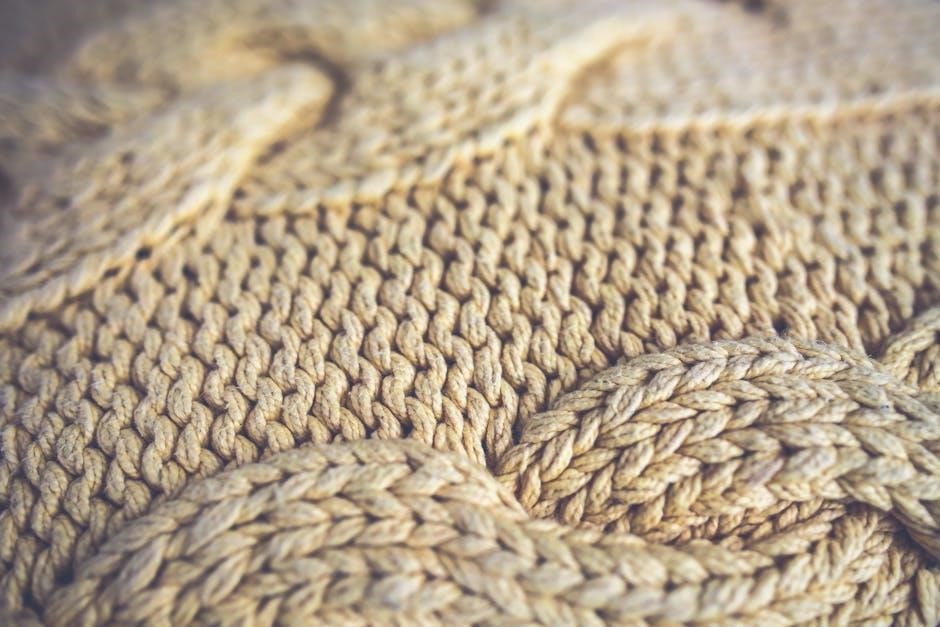
Loom knitting is a method of knitting using a knitting loom – a frame with pegs used to create fabric, offering a simpler alternative to traditional knitting with needles. It’s an ancient technique, experiencing a modern resurgence in popularity due to its accessibility and speed. Unlike conventional knitting, loom knitting doesn’t require mastering complex needlework skills, making it ideal for beginners, children, or individuals seeking a quicker crafting process.
The process involves wrapping yarn around the pegs of the loom in specific patterns, then lifting the bottom loop over the top loop on each peg. This creates interlocking stitches, forming knitted fabric. Loom knitting is particularly well-suited for projects like scarves, hats, blankets, and cowls, and readily available loom knitting patterns PDF resources simplify the process further. It’s a fantastic way to foster creativity and produce handmade items with relative ease;
Benefits of Loom Knitting
Loom knitting presents numerous advantages, making it a compelling craft for all ages and skill levels. Its simplicity drastically reduces the learning curve compared to traditional knitting, allowing beginners to quickly create finished projects. The speed of loom knitting is another significant benefit; projects are often completed much faster than with needles, providing instant gratification.
Furthermore, loom knitting is incredibly portable and requires minimal equipment – just a loom and yarn! This makes it perfect for crafting on the go. It’s also a fantastic activity for developing fine motor skills and fostering creativity, especially in children. Access to loom knitting patterns PDF online expands project possibilities, offering a wealth of inspiration and guidance. The repetitive nature can also be quite therapeutic and relaxing, offering a mindful crafting experience.
Types of Loom Knitting Looms
Loom knitting utilizes a variety of looms, each suited for different projects and yarn weights. Round looms, often featuring adjustable pegs, are ideal for creating hats, socks, and seamless tubes. Long looms (also known as straight looms) excel in producing scarves, panels, and flat pieces, frequently used in blankets.
Afghan looms, typically larger in size, are specifically designed for crafting afghans and larger blankets, offering a quicker alternative to traditional methods. Beyond these core types, specialty looms exist for specific shapes or techniques. When searching for loom knitting patterns PDF, it’s crucial to identify which loom type the pattern is designed for. DIY loom options are also popular, allowing crafters to customize size and peg spacing. Understanding these loom variations unlocks a wider range of project possibilities.
Round Looms
Round looms are incredibly versatile, making them a favorite for beginner and experienced loom knitters alike. Their adjustable peg systems accommodate various yarn weights and project sizes, from baby hats to adult-sized beanies. Many loom knitting patterns PDF specifically target round looms due to their simplicity in creating seamless, circular pieces.
These looms often come in different diameters, influencing the final product’s circumference. Searching for “round loom hat PDF” or “round loom sock PDF” will yield numerous free and paid patterns. The technique involves wrapping yarn around the pegs in a specific sequence, then lifting the bottom loops over the top, creating knitted stitches. Round looms are excellent for practicing basic stitches and quickly producing cozy accessories.
Long Looms (Straight Looms)
Long looms, also known as straight looms, are ideal for creating flat panels of knitted fabric, opening doors to a wide range of projects. These looms are particularly well-suited for scarves, blankets, and even garment pieces when combined. Numerous loom knitting patterns PDF cater specifically to long looms, offering instructions for various stitch patterns and textures.
When searching for patterns, keywords like “long loom scarf PDF” or “straight loom blanket PDF” will prove fruitful. The process involves wrapping yarn around the pegs along the loom’s length and lifting loops to create rows. Long looms allow for easy creation of rectangular shapes, making them a great choice for beginners wanting to practice consistent tension and stitch definition. They are also easily portable for on-the-go crafting.
Afghan Looms
Afghan looms are specifically designed for creating large, rectangular projects like afghans, blankets, and throws – hence the name! These looms typically feature a larger number of pegs compared to other types, allowing for wider fabric creation. Finding loom knitting patterns PDF for afghan looms is relatively easy, with many free and paid options available online.
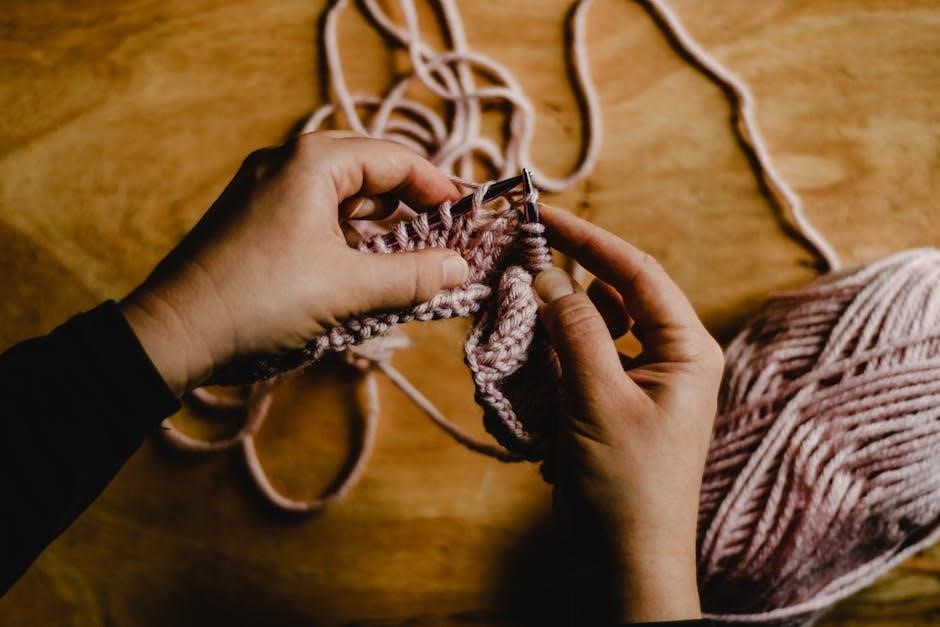
Search terms like “afghan loom blanket PDF” or “large loom knitting pattern PDF” will yield numerous results. The technique involves wrapping yarn around all pegs and then lifting loops in a specific sequence to build rows. Afghan looms are excellent for creating visually striking patterns and textures, and are a popular choice for gifting handmade items. They offer a quicker method for large projects compared to traditional knitting or crochet.
Popular Loom Knitting Patterns (PDF Focus)
PDF patterns unlock a world of loom knitting possibilities, from cozy scarves and hats to intricate blankets, offering detailed instructions for all skill levels.
Beginner Loom Knitting Patterns (PDF Downloads)
Starting with simple projects is key to mastering loom knitting, and readily available PDF patterns make the learning process incredibly accessible. For newcomers, a Simple Scarf Pattern (PDF) provides a fantastic introduction to the basic techniques – creating loops and pulling yarn through.
Next, an Easy Hat Pattern (PDF) builds upon those skills, introducing shaping and finishing techniques. These patterns typically utilize basic knit and purl stitches adapted for loom use. Don’t be intimidated; clear instructions and visual aids within the PDFs guide you every step of the way.
Finally, a Basic Cowl Pattern (PDF) offers a quick and satisfying project, perfect for practicing consistent tension and creating a wearable accessory. These beginner patterns are often free or very affordable, allowing you to experiment and build confidence before tackling more complex designs. Remember to check the yarn weight recommendations within each PDF!
Simple Scarf Pattern (PDF)
A beginner-friendly scarf is the quintessential first loom knitting project, and numerous free PDF patterns are available online. These patterns typically utilize a straight loom, requiring only basic looping techniques. The PDF will guide you through casting on – securing the yarn to the loom – and then repeatedly creating loops across the loom’s pegs.
The pattern will detail how to pull the bottom loop over the top loop on each peg, effectively “knitting” a row. Most simple scarf patterns involve repeating this process until the desired length is achieved.
PDFs often include clear photographs or diagrams illustrating each step, making it easy to follow along. Look for patterns specifying yarn weight (bulky or super bulky are common for beginners) and loom size. Finishing involves carefully removing the scarf from the loom and securing the ends – a simple knot or weaving in the yarn tails completes the project!

Easy Hat Pattern (PDF)
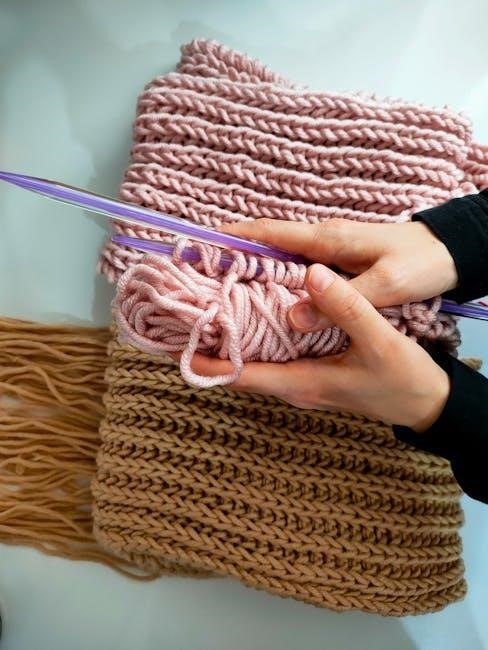
Loom knitted hats are surprisingly achievable for beginners, with many free PDF patterns designed for quick success. These patterns commonly employ round looms, simplifying the shaping process. The PDF will typically begin with casting on, securing the yarn around all the pegs of the round loom.
The core technique remains the same – pulling the bottom loop over the top loop on each peg – but the circular construction creates a tube. Patterns will instruct you on how to decrease stitches (reducing the number of loops) to shape the crown of the hat.
PDFs often illustrate decreasing techniques with visuals, showing how to work two loops together. Once the desired crown size is reached, the pattern will guide you through finishing – removing the hat from the loom and weaving in the yarn end to close the top securely. A pom-pom is a fun, optional addition!
Basic Cowl Pattern (PDF)
Loom knitted cowls represent an excellent introductory project, often utilizing long (straight) looms for a straightforward, rectangular construction. PDF patterns for basic cowls emphasize simplicity, focusing on mastering the knit stitch before introducing more complex techniques. The pattern will detail casting on the required number of stitches onto the loom pegs.
The majority of the pattern involves consistently working the knit stitch – lifting the bottom loop over the top loop – across all pegs. PDFs frequently include row-by-row instructions and clear photographs to guide beginners. Once the desired length is achieved, the pattern explains how to bind off, removing the loops from the loom.
The final step involves joining the two short ends together, creating a continuous loop. This can be done by sewing, crocheting, or using yarn to securely fasten the edges, resulting in a cozy and stylish cowl.
Intermediate Loom Knitting Patterns (PDF Resources)
Moving beyond beginner projects, intermediate loom knitting patterns in PDF format introduce more intricate stitch patterns and construction methods. These resources often build upon the foundational knit and purl stitches, incorporating techniques like ribbing for added texture and elasticity. PDFs at this level frequently feature patterns for blankets, scarves with more detailed designs, and hats with colorwork elements.
Expect to encounter patterns requiring multiple loom sizes or a combination of loom types. Detailed instructions are crucial, guiding knitters through color changes, stitch variations, and shaping techniques.
Intermediate patterns often include charts or diagrams alongside written instructions, enhancing clarity. Successfully completing these projects demonstrates a growing understanding of loom knitting principles and prepares knitters for advanced challenges.
Ribbed Blanket Pattern (PDF)
A ribbed blanket, created using a loom, offers a cozy and visually appealing project for intermediate knitters. PDF patterns for ribbed blankets typically utilize a combination of knit and purl stitches, achieved by alternating the peg selection on the loom. This creates the classic vertical ribbed texture, providing both warmth and a pleasing aesthetic.
These patterns often specify yarn weight and loom size to achieve the desired blanket dimensions and rib definition. PDFs will detail how to cast on, maintain the rib pattern throughout, and bind off securely.
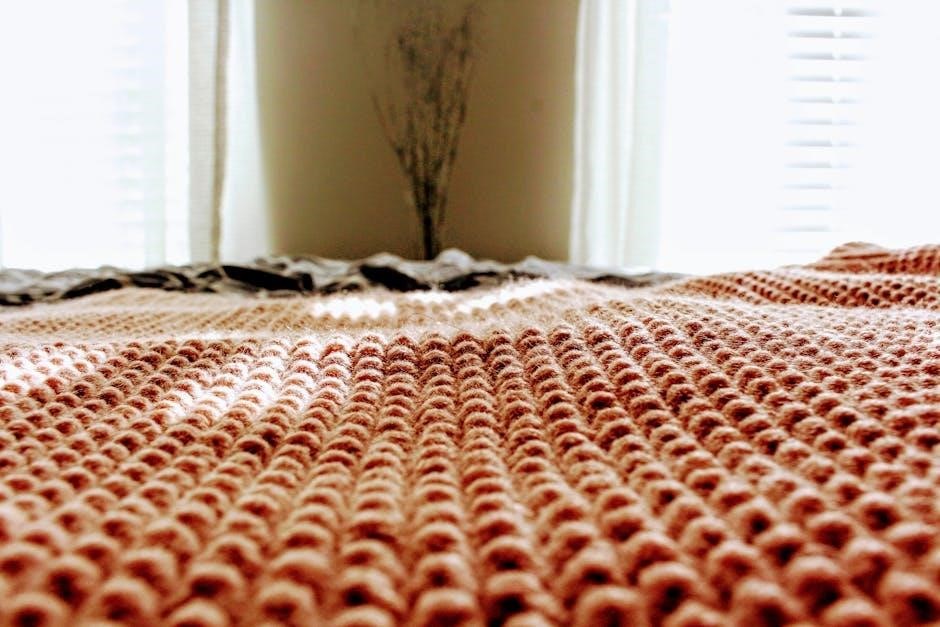
Look for patterns that include clear instructions on yarn color choices and potential border options. Ribbed blankets are excellent for practicing consistent tension and mastering basic loom knitting techniques, resulting in a beautiful, functional heirloom.
Lace Scarf Pattern (PDF)
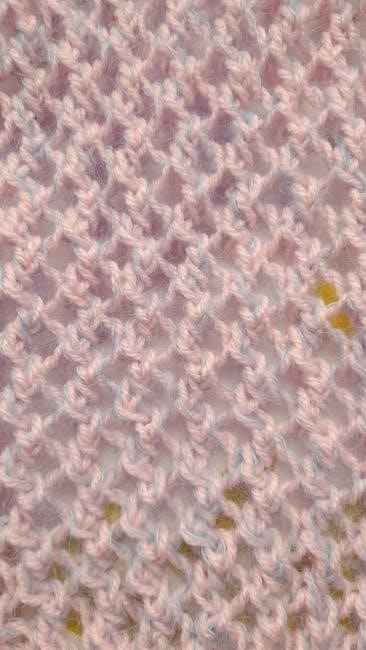
Lace scarves, surprisingly achievable on a loom, add an elegant touch to any wardrobe. PDF patterns for loom-knit lace often involve strategically skipping pegs to create openwork designs. These patterns require a bit more concentration and precision than basic knitting, making them ideal for intermediate loom knitters looking for a challenge.
PDFs will typically illustrate the peg skipping sequence and provide stitch counts for each row to maintain the lace pattern. Yarn choice is crucial; finer yarns showcase the lace details beautifully. Look for patterns that offer clear charts or diagrams alongside written instructions.
Blocking the finished scarf is often recommended to open up the lace and achieve a professional finish. Mastering loom-knit lace opens doors to more complex and intricate designs.
Colorwork Hat Pattern (PDF)
Colorwork hats introduce a vibrant dimension to loom knitting, allowing for striking designs using multiple yarn colors. PDF patterns for colorwork typically utilize the “fair isle” or “stranded” techniques adapted for loom knitting. This involves carrying multiple yarn colors across a row, creating patterns as you switch between them.
These patterns often feature charts indicating which color to use for each stitch; Managing yarn tension is key to achieving a clean, even colorwork fabric. Look for patterns that clearly demonstrate how to handle yarn floats on the back of the work to prevent puckering.
Beginners might start with simpler two-color designs before tackling more complex motifs. A colorwork hat is a rewarding project showcasing skill and creativity.
Advanced Loom Knitting Patterns (PDF Options)
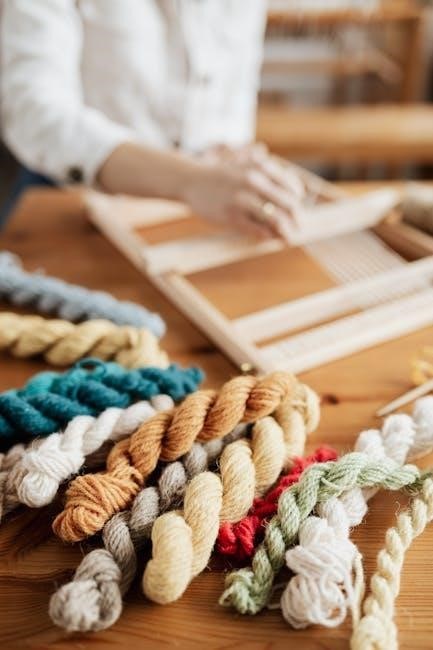
Experienced loom knitters seeking a challenge will find a wealth of advanced PDF patterns available. These designs move beyond basic stitches and techniques, incorporating intricate textures and complex construction methods. Expect to encounter patterns for garments like sweaters, cardigans, and elaborate afghans.
Advanced patterns often require a strong understanding of loom knitting principles, including increasing, decreasing, and shaping. Techniques like cabling, intarsia, and complex stitch patterns are common. PDF resources will typically include detailed instructions, charts, and potentially video tutorials to guide you through each step.
Successfully completing these projects demonstrates mastery of the craft and results in stunning, handmade items.
Cable Knit Sweater Pattern (PDF)
Creating a cable knit sweater on a loom is an ambitious project, showcasing significant skill. PDF patterns for these sweaters typically provide detailed instructions for constructing the body, sleeves, and neckline, often utilizing multiple looms for wider panels. The cable patterns themselves are charted meticulously, indicating which pegs to manipulate to create the raised rope effect.
These patterns often include sizing variations, allowing for customization; Expect to find guidance on joining loom-knitted pieces seamlessly, blocking techniques to enhance the sweater’s drape, and finishing details like weaving in ends. Intermediate to advanced loom knitters will appreciate the challenge and rewarding outcome of a handmade cable knit sweater.
Look for patterns with clear photos or videos demonstrating the cabling process.
Intarsia Afghan Pattern (PDF)
Intarsia loom knitting allows for creating stunning afghans with intricate colorwork designs. PDF patterns for intarsia afghans will break down the design into sections, each representing a different color area. These patterns meticulously detail which pegs on the loom correspond to each color, preventing unwanted blending.
Expect detailed charts illustrating the color placement for each row, and instructions on managing multiple yarn strands to avoid tangling. Advanced techniques like carrying yarns and splitting pegs are commonly employed. The patterns often suggest specific yarn weights and needle sizes to achieve the desired gauge and clarity of the design.
Successfully completing an intarsia afghan requires patience and precision, resulting in a beautiful, heirloom-quality piece.
Complex Texture Pattern (PDF)
Loom knitting isn’t limited to simple stitches; complex texture patterns unlock a world of sophisticated designs. PDF patterns for these projects often feature combinations of knit, purl, and various increases/decreases adapted for loom use. Expect detailed row-by-row instructions, sometimes accompanied by peg-by-peg guidance for intricate sections.
These patterns frequently incorporate techniques like faux cabling, seed stitch, ribbing variations, and even mock twisted stitches. Charts are crucial for visualizing the texture and ensuring accurate peg manipulation. PDF resources will often include video tutorials demonstrating the more challenging steps, like creating specific textured motifs.
Successfully executing these patterns yields visually striking and tactilely interesting pieces, showcasing the versatility of loom knitting.
Finding Free Loom Knitting Patterns (PDF)
Numerous online resources provide free loom knitting patterns in PDF format, including dedicated websites, vibrant social media groups, and the extensive Ravelry platform.
Websites Offering Free PDF Patterns
Several websites specialize in providing free loom knitting patterns downloadable as PDFs, catering to all skill levels. Studio Knit frequently updates its collection with beginner-friendly designs like simple scarves and hats, perfect for those new to loom knitting. GoodKnit Kisses, while not exclusively loom knitting focused, often features patterns adaptable for loom use, offering a diverse range of projects.
LoveCrafts is another excellent resource, boasting a substantial library of free patterns, including some specifically designed for loom knitting, and allows filtering by format (PDF). Don’t overlook Ravelry’s pattern database; even though it’s a broader crafting platform, many designers offer free loom knitting PDFs there. Finally, individual blogs dedicated to yarn crafts often share free loom knitting patterns as a way to engage their audience, so a little searching can yield fantastic results.
Social Media Groups & Forums
Facebook groups dedicated to loom knitting are vibrant communities where enthusiasts share patterns, tips, and project inspiration – often in PDF format. Searching for terms like “Loom Knitting Patterns” or “Loom Knitters” will reveal numerous active groups. Pinterest, while a visual platform, is a treasure trove of links to free loom knitting PDFs hosted on blogs and websites; utilize specific keywords for targeted searches.
Online forums, such as those found on crafting websites, provide a space for asking questions, receiving feedback, and discovering patterns shared by experienced loom knitters. Many members willingly scan and share patterns they’ve purchased, or link to free resources. Remember to respect copyright when sharing or downloading patterns and always credit the original designer when possible. These platforms foster a collaborative learning environment.
Ravelry for Loom Knitting PDFs
Ravelry is an invaluable resource for knitters and crocheters, and it also boasts a dedicated section for loom knitting patterns, many available as PDFs. The platform’s robust search filters allow you to refine your search by loom type, yarn weight, pattern difficulty, and price – including options for free patterns.
Pattern databases on Ravelry are user-driven, meaning knitters contribute pattern information, project photos, and reviews, offering valuable insights. You can often find PDFs directly linked within the pattern details or through links provided by other users. Project pages showcase how others have interpreted the pattern, providing inspiration and modifications. Creating a free Ravelry account unlocks access to this extensive library of loom knitting resources and a supportive community.
Understanding Loom Knitting PDF Patterns
Decoding abbreviations and charts is key to successful loom knitting, alongside adjusting patterns based on your chosen yarn’s weight and texture.
Decoding Loom Knitting Abbreviations
Loom knitting patterns, often presented as PDFs, frequently utilize a unique set of abbreviations to streamline instructions and conserve space. Understanding these is crucial for accurate project completion. Common abbreviations include ‘K’ for knit stitch, representing the basic loop transfer, and ‘P’ for purl stitch, its mirrored counterpart.
You’ll also encounter ‘CO’ signifying cast-on, the initial step of creating stitches on the loom, and ‘BO’ meaning bind-off, securing the final row to prevent unraveling. ‘St(s)’ denotes stitch(es), indicating the number of loops to work with, while ‘Row’ simply refers to a line of knitting.
More complex patterns might introduce ‘Inc’ for increase, adding a stitch, and ‘Dec’ for decrease, removing a stitch. Familiarizing yourself with these core abbreviations, often found in a pattern’s key or glossary, will unlock a world of loom-knitted possibilities and ensure a smoother, more enjoyable crafting experience.
Reading Loom Knitting Charts
Loom knitting patterns in PDF format sometimes employ charts, offering a visual representation of stitch sequences, particularly useful for intricate designs or colorwork. These charts differ from traditional needle knitting charts; they typically illustrate the peg arrangement and the path yarn takes around the loom.
Each symbol on the chart corresponds to a specific action – a knit stitch, a color change, or a peg transfer. A key or legend accompanies the chart, explaining each symbol’s meaning. Rows are read from right to left, mirroring the actual knitting process.
Understanding the chart’s grid system, where each square represents a peg, is essential. Charts simplify complex patterns, allowing knitters to visualize the final outcome and track progress efficiently. Practice interpreting these visual guides to unlock more advanced loom knitting techniques and create stunning, patterned projects.
Adjusting Patterns for Different Yarn Weights
Loom knitting patterns, often found as PDFs, are typically designed for a specific yarn weight. However, adapting these patterns for different yarn thicknesses is achievable, though requires careful consideration. Changing yarn weight alters the fabric’s density and overall size of the finished project.
When using a heavier yarn, you’ll likely need to use a loom with more pegs to maintain the desired gauge. Conversely, finer yarn necessitates a loom with fewer pegs. Adjusting the number of wraps per peg is also crucial; more wraps for thinner yarn, fewer for thicker.
Always create a gauge swatch – a small sample – to test your adjustments before committing to the entire project. This ensures the final product matches your intended size and appearance. Remember to recalculate yarn quantities accordingly.