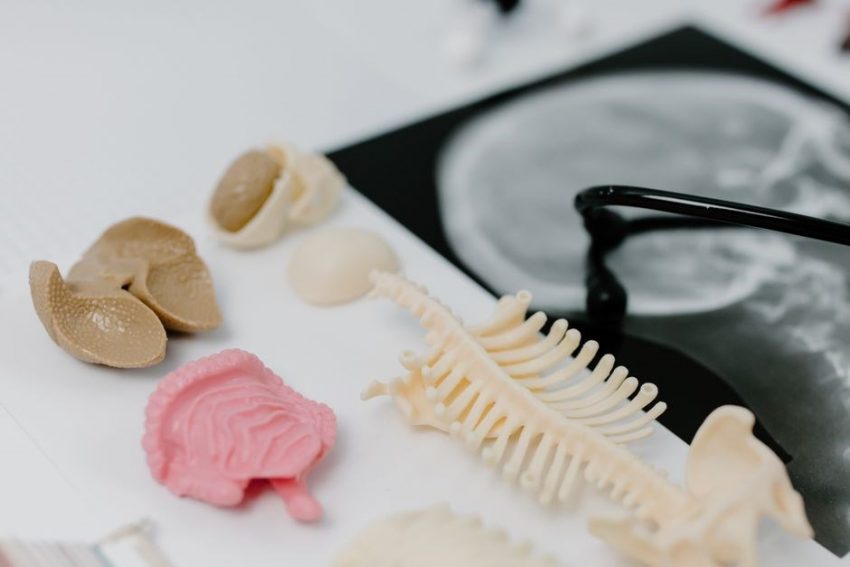
Overview of the 13th Edition Human Anatomy & Physiology Lab Manual
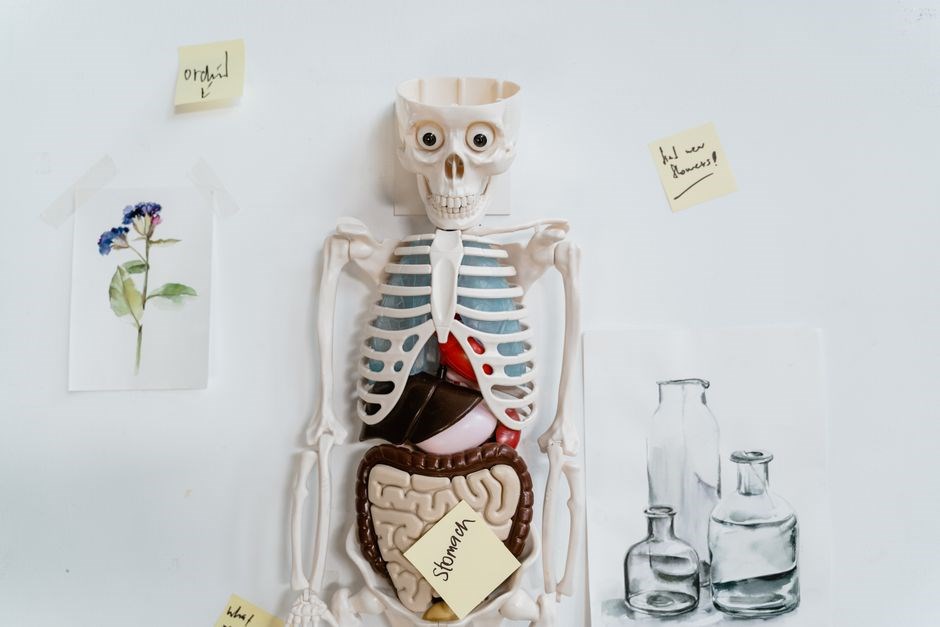
The 13th Edition Human Anatomy & Physiology Lab Manual offers an integrated, hands‑on curriculum for anatomy students․ It combines detailed system reviews, vivid illustrations, and interactive case studies, enabling learners to apply theory in practical lab settings․ It also includes safety protocols and rubrics․
Comprehensive lab curriculum covering human anatomy systems
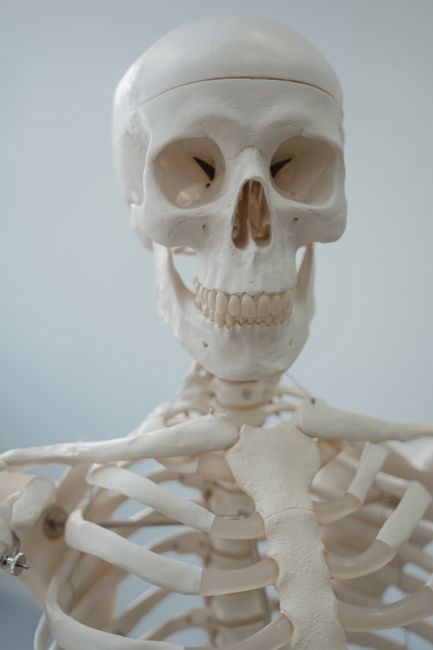
The 13th Edition Human Anatomy & Physiology Lab Manual presents a unified, step‑by‑step curriculum that aligns closely with the textbook’s core concepts․ Each module begins with a concise review of a specific system—skeletal, muscular, cardiovascular, respiratory, digestive, endocrine, nervous, lymphatic, reproductive, and integumentary—followed by targeted laboratory exercises that reinforce the material․ Students dissect cadaveric specimens or use high‑resolution anatomical models to identify key structures, trace pathways, and understand spatial relationships․ The manual’s design incorporates a variety of instructional strategies: guided questions, interactive quizzes, and real‑time feedback to promote active learning․ Assessment rubrics are embedded within each lab activity, allowing instructors to evaluate technical skill, anatomical knowledge, and critical‑thinking abilities․ The curriculum also emphasizes interdisciplinary connections, linking physiological processes to clinical scenarios and research applications․ By integrating hands‑on practice with theoretical review, the manual supports mastery of complex concepts and prepares students for advanced coursework and professional practice․
Edition and Version Variations
The 13th Edition manual is available in Main, Cat, and Fetal Pig editions․ Cat and Fetal Pig versions include detailed dissection protocols for animal specimens, while Main focuses on human anatomy․ Each edition offers lab activities and safety guidelines․ Clinical cases․ Clinical scenarios enhance learning․ Now․
Comparison of Main, Cat, and Fetal Pig editions with dissection focus
The 13th Edition Human Anatomy & Physiology Lab Manual is released in three distinct versions: Main, Cat, and Fetal Pig․ The Main edition is tailored for human anatomy, presenting comprehensive system reviews, detailed diagrams, and clinical correlations․ It omits dissection protocols, focusing instead on virtual and textbook‑based learning․ In contrast, the Cat edition incorporates a full suite of dissection procedures using domestic cat specimens․ This version includes step‑by‑step dissection protocols, safety guidelines, and specimen handling instructions, allowing students to observe anatomical structures in a live context․ The Fetal Pig edition mirrors the Cat edition’s approach but substitutes fetal pig tissue for cat tissue․ It offers similar dissection protocols, safety measures, and specimen preparation steps, providing an alternative to cat dissection that is often more accessible in certain institutional settings․ Both the Cat and Fetal Pig editions emphasize hands‑on learning, encouraging students to apply textbook knowledge to real specimens․ They also include comparative anatomy sections that highlight differences and similarities between human and animal structures, fostering a deeper understanding of evolutionary and functional relationships․ Each edition contains lab worksheets, safety checklists, and assessment rubrics tailored to its focus․ The Main edition’s worksheets concentrate on identification and description of human anatomy, while the Cat and Fetal Pig worksheets guide students through dissection tasks, specimen labeling, and post‑dissection analysis․ The inclusion of dissection protocols in the Cat and Fetal Pig editions provides a practical bridge between theory and practice, reinforcing concepts such as organ positioning, vascular pathways, and neural networks․ By offering these three versions, the manual accommodates diverse educational needs and institutional policies, ensuring that students can engage with the material in a manner that aligns with their curriculum and available resources․
Content Highlights and New Features
Full‑color figures, high‑resolution photos, revamped clinical application sections, and critical‑thinking questions․ Updated diagrams, interactive lab worksheets, and integrated Mastering A&P review sheets enhance engagement․ and updated safety protocols․ for all labs!
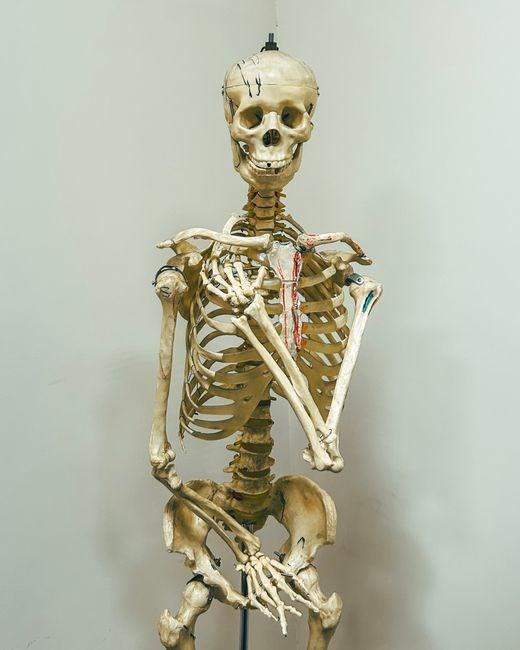
Full-color figures, photos, revamped clinical application and critical thinking questions
In the 13th Edition, every anatomical system is illustrated with high‑resolution, full‑color images that bring microscopic structures to life․ Photographs of dissections, histology slides, and clinical imaging are seamlessly integrated, allowing students to correlate textbook diagrams with real‑world visuals․ The manual’s clinical application sections have been overhauled to feature concise, evidence‑based case studies that mirror current medical practice․ Each case is paired with targeted questions that prompt students to analyze diagnostic data, interpret imaging, and propose management plans․ Critical‑thinking prompts are embedded throughout the text, encouraging learners to synthesize information across systems, evaluate differential diagnoses, and consider ethical implications․ The updated layout supports active learning by highlighting key concepts, providing quick‑reference tables, and offering step‑by‑step lab instructions․ This combination of vivid imagery, practical scenarios, and analytical challenges enhances retention and prepares students for both exams and clinical rotations․ Students also engage with interactive digital modules that reinforce spatial relationships and anatomical landmarks, ensuring a comprehensive understanding of complex structures․ The manual includes a glossary of key terms, a summary of essential facts for each system, and a self‑assessment quiz to track progress throughout the semester․
Practical Dissection Exercises
Cat and fetal pig protocols guide students through major in the systems․ Safety guidelines emphasize sterilization, proper handling, and ethical considerations․ Step‑by‑step instructions, specimen preparation, and anatomical landmarks are highlighted for hands‑on learning․
Cat and fetal pig dissection protocols and safety guidelines
In the 13th Edition Lab Manual, cat and fetal pig dissections are presented as complementary modules that illustrate vertebrate anatomy in a controlled, ethical setting․ The protocols begin with a pre‑lab briefing that covers specimen handling, institutional biosafety policies, and the importance of wearing appropriate personal protective equipment (PPE) such as gloves, lab coats, and eye protection․ Students are instructed to verify the integrity of the specimen, noting any post‑mortem changes that may affect dissection outcomes․
For the cat dissection, the manual outlines a systematic approach: start with the cranial cavity, carefully incising the scalp and skull to expose the brain, then proceed to the thoracic cavity, opening the rib cage to study the heart, lungs, and major vessels․ The protocol emphasizes the use of fine scissors and dissecting forceps to preserve delicate structures, and it provides detailed anatomical landmarks for identifying the trachea, esophagus, and major arteries․ The cat protocol also includes a section on the musculoskeletal system, guiding students through the removal of the femur and tibia while noting joint articulations․
Fetal pig dissections focus on developmental anatomy․ The manual directs students to begin with the abdominal cavity, carefully dissecting the placenta and umbilical cord to expose the fetal organs․ Students then examine the heart, lungs, and gastrointestinal tract, noting the stages of organogenesis․ The protocol stresses the importance of maintaining a sterile field, using a laminar fl
In the 13th Edition Lab Manual, cat and fetal pig dissections are presented as complementary modules that illustrate vertebrate anatomy in a controlled, ethical setting․ The protocols begin with a pre‑lab briefing that covers specimen handling, institutional biosafety policies, and the importance of wearing appropriate personal protective equipment (PPE) such as gloves, lab coats, and eye protection․ Students are instructed to verify the integrity of the specimen, noting any post‑mortem changes that may affect dissection outcomes․
For the cat dissection, the manual outlines a systematic approach: start with the cranial cavity, carefully incising the scalp and skull to expose the brain, then proceed to the thoracic cavity, opening the rib cage to study the heart, lungs, and major vessels․ The protocol emphasizes the use of fine scissors and dissecting forceps to preserve delicate structures, and it provides detailed anatomical landmarks for identifying the trachea, esophagus, and major arteries․ The cat protocol also includes a section on the musculoskeletal system, guiding students through the removal of the femur and tibia while noting joint articulations․
Fetal pig dissections focus on developmental anatomy․ The manual directs students to begin with the abdominal cavity, carefully dissecting the placenta and umbilical cord to expose the fetal organs․ Students then examine the heart, lungs, and gastrointestinal tract, noting the stages of organogenesis․ The protocol stresses the importance of maintaining a sterile field, using a laminar flow hood, and disposing of biohazardous waste according to institutional guidelines․ Throughout both dissections, the manual incorporates reflective prompts that encourage students to consider the ethical implications of animal use and the relevance of comparative anatomy to human health․
Clinical case studies integrated into lab activities for real-world relevance
The 13th Edition Lab Manual embeds concise, evidence‑based case studies that mirror common clinical scenarios, allowing knowledge into diagnostic reasoning․ Each module pairs a dissection with a patient vignette: for example, after dissecting the feline thoracic cavity, learners analyze a case of acute respiratory distress in a small animal patient, correlating laryngeal anatomy with airway obstruction symptoms․ The manual presents a structured worksheet that prompts students to identify key anatomical landmarks, articulate pathophysiological mechanisms, and propose therapeutic interventions․
Students are then asked to correlate the observed anatomical variations with potential clinical manifestations, fostering a deeper appreciation for individual differences․ The manual also includes a reflective component where learners evaluate how their dissection experience informs future patient care, emphasizing the ethical responsibilities of healthcare professionals․
The case studies also challenge students to apply pharmacological knowledge, interpreting how drug interactions may alter physiological responses observed during dissection․ By integrating pharmacokinetics and pharmacodynamics into the lab narrative, the manual bridges basic science with therapeutic decision‑making, preparing students for interdisciplinary collaboration in clinical settings․
Finally, each lab concludes with a peer‑review exercise, own work and that of classmates, thereby fostering a culture of continuous improvement and scholarly rigor․
PDF Availability and Licensing Issues
The 13th Edition PDF is distributed under strict copyright․ Institutions must obtain a license from Pearson, and unauthorized sharing violates law․ Some universities offer institutional access, but personal downloads from forums are illegal and risk penalties․ All distribution must comply with copyright law․
Legal considerations for downloading, sharing, and using the PDF across institutions
Downloading the 13th Edition Human Anatomy & Physiology Laboratory Manual PDF without a valid license from Pearson is a direct violation of copyright law․ The manual is protected under U․S․ and international statutes, and unauthorized distribution can lead to civil penalties, fines, and potential criminal prosecution․ Institutions that wish to provide access must secure an institutional license, which typically covers a defined number of users and includes terms for electronic distribution, printing limits, and duration of use․ Sharing copies via peer‑to‑peer networks, file‑sharing sites, or personal email is prohibited unless the license explicitly allows such distribution․ Even when a user has a legitimate copy, redistributing it to others without permission constitutes infringement․ The Digital Millennium Copyright Act (DMCA) imposes strict liability on intermediaries that facilitate piracy, meaning that hosting sites or cloud services that host the PDF without authorization can be sued․ Educational use does not automatically exempt the material; the license must specify “educational use” clauses․ Violations may result in cease‑and‑desist notices, account suspensions, and damage claims․ To remain compliant, institutions should use secure, licensed portals, track user access, and enforce DRM where applicable․ Users should consult the licensing agreement and institutional policy before sharing or distributing the PDF, ensuring all actions align with the terms set by Pearson and applicable law․ All parties must also adhere to the institution’s e‑learning platform policies․OK
Academic Use and Student Resources
The manual supplies comprehensive student aids: Mastering A&P review sheets, instructor guides, and quizzes․ These resources support exam prep, reinforce lab concepts, and enable self‑assessment․ Faculty can tailor modules to course objectives, ensuring depth and clarity․
Mastering A&P review sheets, instructor guides, and student study aids included
Students accessing the 13th Edition Lab Manual benefit from a suite of digital and print study tools designed to reinforce core concepts and promote mastery․ The Mastering A&P review sheets are concise, concept‑driven summaries that highlight key anatomical structures, physiological mechanisms, and clinical correlations․ Each sheet is aligned with the corresponding lab activity, allowing learners to preview objectives, identify critical points, and self‑test knowledge before and after hands‑on work․ The review sheets also feature quick‑reference tables, mnemonic prompts, and illustrative diagrams that aid visual memory and retention․ Instructors receive a comprehensive guide that outlines assessment strategies, grading rubrics, and suggested discussion prompts․ The guide encourages educators to integrate the review sheets into lecture, lab, and online modules, ensuring a cohesive learning experience․ Additionally, the manual includes a set of student study aids such as flashcard decks, practice quizzes, and interactive case scenarios․ These aids are available in both PDF and e‑learning formats, enabling flexible use in the classroom or for independent study․ The practice quizzes are adaptive, providing instant feedback and explanations that help students identify misconceptions and track progress over time․ The interactive case scenarios simulate real‑world clinical decision‑making, requiring students to synthesize anatomical knowledge with physiological principles to diagnose and propose treatment plans․ By combining review sheets, instructor guides, and diverse study aids, the 13th Edition Lab Manual supports a multimodal learning environment that caters to visual, auditory, and kinesthetic learners alike, ultimately fostering deeper understanding and long‑term retention of human anatomy and physiology․ Moreover, the study aids are curated to align with the latest curriculum standards, ensuring that every concept is presented with up‑to‑date evidence and evidence‑based practice guidelines․ The manual’s digital platform also offers a mobile‑friendly interface, allowing students to review content on the go, track quiz scores, and receive push notifications for upcoming lab deadlines․ Instructors can customize the guide to match their course pacing, selecting specific review sheets or case studies to emphasize during lectures․ The combination of structured review materials, interactive assessments, and real‑world applications creates a comprehensive toolkit that empowers both students and educators to achieve academic excellence in anatomy and physiology courses․ Finally, the manual’s integration with Mastering A&P’s online platform provides analytics dashboards that track student engagement, highlight common misconceptions, and suggest targeted remediation․ This data‑driven approach enables instructors to adjust instruction in real time, ensuring that every learner receives the support they need to succeed․ The synergy between the manual’s printed resources and the dynamic online tools represents a modern, evidence‑based approach to anatomy education, setting a new standard for lab manuals in higher education․