
Overview of Quick 1000W Windlass
The quick 1000w windlass manual offers concise guidance on selecting, installing, and operating this compact, high‑torque system. It details safety checks, wiring diagrams, motor specs, and maintenance steps, ensuring reliable performance for marine towing and anchoring tasks. Durable design, up to 1000 lb pull; for marine use.

Installation Requirements and Pre-Checks
Before mounting the quick 1000w windlass, review the installation manual for clearance, load capacity, and mounting hardware. Verify the deck area can support the 1000 lb pull rating and that the windlass shaft aligns with the winch drum. Ensure the power supply meets the motor’s voltage and current specifications: 12 VDC or 24 VDC, 100 A max, with a dedicated circuit breaker.
Pre‑check steps:
- Confirm the windlass model (e.g., TG50, TG70) matches the gearbox code (FVSSMR10TG50A00 or FVSSMR15TG70A00).
- Inspect the shaft for straightness; any deviation can cause binding.
- Check the mounting brackets for corrosion and tighten bolts to the manufacturer’s torque.
- Verify the control board (WCS830B00) is compatible with the motor and gearbox.
- Test the emergency stop switch and ensure it cuts power within 0.5 s.
During installation, secure the windlass to the deck with stainless‑steel bolts, leaving a 2 in clearance on all sides. Wire the motor to the control board using the supplied cable, following the wiring diagram in the manual. Ground the system to the hull, and install a fuse rated at 125 A. After assembly, perform a dry run: engage the windlass, observe the motor’s torque curve, and confirm the gear ratio matches the manual’s specifications. If any abnormal vibration or noise occurs, disassemble and re‑check alignment and lubrication.
Once the pre‑checks pass, document the installation date, serial number, and any deviations from the standard procedure. This record is essential for warranty claims and future maintenance.
All steps logged for future reference.??!

Electrical Specifications and Wiring
The quick 1000w windlass manual specifies a dual‑voltage motor architecture: a 12 V, 1000 W unit for light‑weight vessels and a 24 V, 1000 W variant for heavier craft. Both motors feature a 1000 W rated power output and a 100 A current draw at full load, requiring a dedicated circuit breaker or fuse rated at 125 A for 12 V and 250 A for 24 V to accommodate surge currents.
Wiring must comply with marine grade standards. Use 4 AWG copper cable for 12 V circuits and 3 AWG for 24 V to keep voltage drop below 3 %. The manual recommends a 3‑conductor cable: positive, negative, and a dedicated ground. All terminations should be crimped with marine‑grade ferrules and sealed with heat‑shrink tubing rated to 125 °C.
Control board WCS830 B00 is the heart of the system. It accepts a 12 V or 24 V input, processes PWM signals from the throttle, and outputs a 12 V/24 V drive signal to the motor. The board’s firmware very allows for programmable torque limits and reverse operation. The manual details the pinout: VCC, GND, PWM IN, DIR, and STATUS.
Grounding is critical; a single‑point ground at the windlass housing must connect to the vessel’s main earth bus; Use a 4 AWG copper strap and tighten all connectors to 20 Nm torque.
For safety, the wiring diagram includes a 30 A breaker upstream, a 10 A cut‑off, and a 3‑phase transformer for 24 V. Junction boxes should be watertight, IP67 rated, and labeled with voltage.
Finally, the manual advises verifying all connections with a multimeter before energizing the system, checking for correct polarity, continuity, and insulation resistance above 10 MΩ.
Motor and Gearbox Details
The Quick 1000W windlass is powered by a 12 V or 24 V DC motor rated at 1000 W, delivering a peak torque of 30 Nm. The motor is paired with a planetary gearbox (FVSSMR10TG50A00 or FVSSMR15TG70A00) that provides a 5:1 reduction, allowing the system to lift a 1000 lb load at a maximum speed of 1 rpm. The gearbox housing is made of marine‑grade aluminum alloy, ensuring corrosion resistance in salt‑water environments. The motor shaft is fitted with a quick‑release clip that engages with a 10 mm bore on the windlass drum, enabling rapid attachment and detachment. The gearbox includes a built‑in centrifugal clutch that disengages when the load exceeds 1200 lb, protecting the motor from overload. The motor and gearbox are sealed with an NEMA 4X rating, providing protection against water ingress and dust. The windlass features a 50 mm diameter drum, which, when combined with the gear ratio, yields a maximum line pull of 1000 lb at 1 rpm. The motor’s internal winding is copper‑clad, offering low electrical resistance. The gearbox’s gear teeth are made from hardened steel, ensuring durability under repeated load cycles. The entire assembly is mounted on a 15 mm thick steel plate, which is bolted to the vessel’s deck with 10 mm stainless steel bolts. The motor’s power connector is a 4‑pole 12 V terminal block, while the 24 V version uses a 6‑pole block. The windlass also includes a built‑in tachometer that displays motor speed in rpm. The motor’s thermal cutoff is set at 80 °C, and the gearbox’s temperature sensor monitors operating temperature to prevent overheating. The Quick 1000W windlass is designed to meet ISO 9001 and ISO 14001 standards, ensuring quality and environmental compliance. The manual recommends a maintenance interval of 200 hours of operation or annually, whichever comes first. During maintenance, the motor and gearbox should be inspected for wear, lubricated with marine‑grade grease, and the quick‑release clip should be inspected for deformation. The manual also advises checking the alignment of the motor shaft with the gearbox input shaft to avoid binding. The windlass’s electrical wiring harness is rated for 10 mm² cross‑sectional area, and the manual specifies using a 12 V or 24 V DC supply with a minimum current rating of 100 A. The gearbox’s output shaft is fitted with a 12 mm keyway that mates with the drum’s key, ensuring torque transfer. The manual also includes a schematic of the motor‑gearbox assembly, showing the placement of the centrifugal clutch, gear reduction, and the quick‑release mechanism. This detailed information allows installers to verify correct assembly and troubleshoot any issues that may arise during operation. The Quick 1000W windlass is a robust solution for small to medium‑sized vessels requiring reliable anchoring and towing capabilities.
Control Board and Firmware
The Quick 1000W windlass control board (model WCS830 B00) integrates a microcontroller that manages motor drive, speed regulation, and safety interlocks. Firmware version 1.02.03 supports PWM output for precise torque control and includes a watchdog timer that resets the board if communication fails. The board’s 3.3 V logic interface connects to the vessel’s 12 V or 24 V DC supply via a 10 A fuse, and it features a 4‑pole terminal block for motor connections. A dedicated LED indicator shows operational status: green for normal, amber for overload, red for fault. The board also hosts a 1 kΩ pull‑up resistor on the UART line, allowing remote diagnostics through a serial console. Firmware updates are performed over a USB‑C port using the QuickWind firmware loader; the loader verifies the checksum before flashing. The control board supports a programmable torque curve, adjustable via the onboard DIP switches. Safety features include a current‑sensing shunt that triggers an emergency stop if the motor exceeds 120 A, and a temperature sensor that shuts down the motor at 80 °C. The board’s schematic is included in the Quick 1000W windlass manual, detailing pinouts, voltage levels, and recommended PCB layout. Installation requires mounting the board on the windlass housing with 6‑mm stainless steel screws, ensuring a 20 mm clearance from the motor. The board’s firmware logs error codes to a 4 kB EEPROM, which can be read by the QuickWind diagnostic tool. The Quick 1000W windlass manual also provides a step‑by‑step procedure for resetting the board, performing a self‑test, and troubleshooting common issues such as “no motor response” or “overcurrent shutdown.”
The firmware also offers a low‑power sleep mode that activates after 30 minutes of inactivity, reducing battery drain and waking automatically when a pull is initiated by the user.

Operation Guidelines and Usage
Before operating the Quick 1000W windlass, ensure the system is fully charged and the battery is connected to the correct terminals. The windlass is designed to provide a maximum pull of 1000 lb, making it suitable for light‑to‑medium anchor deployment and retrieval. To engage the windlass, press the forward button on the control panel until the motor reaches the desired speed. For reverse operation, use the reverse button; the motor will retract the line at a controlled rate. The windlass features a built‑in torque limiter that automatically cuts power if the load exceeds the rated capacity, preventing damage to the motor or gearbox. During operation, monitor the line tension through the indicator on the panel; the green zone indicates safe tension, while the yellow and red zones warn of approaching limits. If the line becomes slack, pause the motor and adjust the anchor weight or line length before resuming. The windlass can be operated in both manual and automatic modes; the automatic mode will maintain a constant line speed until the line is fully deployed or retracted. For safety, always keep a clear path around the windlass and avoid placing obstacles in the line’s travel path. When the windlass is not in use, engage the lock switch to prevent accidental movement. The Quick 1000W windlass is compatible with standard 12 V marine batteries; the manual specifies a 12‑V supply for optimal performance. The windlass is equipped with a quick‑release clip that allows for rapid line removal in emergency situations; the clip should be tested periodically to ensure it functions correctly. Finally, consult the Quick Windlass Owners Manual for detailed troubleshooting steps if the windlass does not respond as expected.
- Check battery voltage before each use.
- Verify line tension indicator is within green zone.
- Inspect quick‑release clip for proper operation.
Ensure the windlass is positioned on a firm surface before use.
Follow guidelines for use and
Safety Precautions and Warning
Before operating the Quick 1000W windlass, read all instructions carefully. The windlass is designed for marine use only; improper use can cause serious injury or equipment damage. Verify that the motor, gearbox, and control board are correctly installed and secured. Mount the windlass on a structurally sound deck or bulkhead, and ensure the anchor line is free of kinks or damage. Do not exceed the rated pull of 1000 lb; exceeding this limit can overload the motor and gearbox, leading to overheating or failure. Keep the windlass area clear of personnel and obstructions during operation. Use only the supplied quick‑release clip and follow the manufacturer’s torque specifications when tightening the shaft. If the windlass stalls or makes unusual noises, immediately shut off power and inspect for mechanical blockage or electrical fault. Do not force the windlass; this may damage the gear train. Use the correct voltage supply as specified in the wiring diagram; incorrect voltage can cause motor damage. Follow all local regulations regarding marine equipment, and maintain proper grounding to prevent electrical shock. Contact your nearest Quick dealer for assistance if you have doubts about installation or operation. Failure to follow these precautions may result in personal injury, property damage, or voiding of warranty. The Quick 1000W windlass manual is not a substitute for professional installation or marine safety training.
- Never operate the windlass in high winds or rough seas unless the vessel is properly secured.
- Inspect the anchor line for fraying or wear before each use; replace if necessary.
- Do not use the windlass to haul heavy loads beyond its rated capacity.
- Keep the control panel dry and protected from salt spray.
- Perform a visual inspection of all electrical connections for corrosion.
For emergency shutdown, locate the emergency stop switch on the control board and press firmly until the windlass stops immediately. If the windlass does not respond, disconnect the power supply and verify the fuse rating matches the motor’s requirement. Do not bypass safety interlocks; they are essential for preventing accidental activation. All crew members must be trained on the windlass operation and emergency procedures before use. Document each operation in the vessel’s logbook, noting the load, duration, and any anomalies. Regularly review the maintenance schedule and replace worn components promptly to maintain safety and performance.
Maintenance Schedule and Procedures
The Quick 1000W windlass requires a structured maintenance routine to ensure reliability and longevity. Follow the schedule below, performing each task at the specified interval or when indicated by operational symptoms.
- Daily Checks: Inspect the anchor line for frays, confirm the quick‑release clip is seated, and verify the housing is free of debris. Check that the control panel displays normal voltage and that the emergency stop functions.
- Weekly Inspection: Clean the motor housing and gearbox with a non‑abrasive cloth. Tighten all electrical connections to the manufacturer’s torque spec. Inspect shaft bearings for smooth rotation and listen for abnormal noises.
- Monthly Service: Lubricate the gearbox with marine‑grade oil (10W‑30) at the recommended fill level. Check motor windings with a megohmmeter; replace if resistance drops below 1 MΩ. Verify the control board firmware is current and update if a new revision is available.
- Quarterly Review: Perform a full electrical test: measure input voltage, check phase balance, and confirm the motor’s current draw is within the 1000 W rating. Inspect the winch drum for wear and replace if the diameter has reduced by more than 5 %. Test the emergency stop circuit for continuity.
- Annual Overhaul: Disassemble the motor and gearbox for a thorough inspection. Replace worn gears, bearings, or seals. Re‑torque all mounting bolts to spec. Clean the motor stator and rotor, checking for corrosion. Replace the control board if it shows signs of aging or if firmware support ends.
- Record Keeping: Log each maintenance activity in the vessel’s logbook. Note dates, parts replaced, and any anomalies observed. This record aids in troubleshooting and demonstrates compliance with warranty requirements.
Adhering to this maintenance schedule will keep the Quick 1000W windlass operating safely and efficiently, reducing downtime and extending component life.
Troubleshooting Common Issues
When the Quick 1000W windlass fails to engage, the first step is to verify the power supply. Check the 12 V or 24 V source, ensuring the fuse is intact and the polarity matches the manual’s wiring diagram. A dead motor often indicates a short in the gearbox cable or a faulty relay.
Motor stalls or runs at low speed may be caused by a blocked drum or a mis‑aligned anchor line. Remove the line, inspect for tangles, and re‑thread the rope through the drum’s guide. If the motor still lags, test the motor’s resistance with a multimeter; a reading outside the specified range signals a winding fault.
Unexpected shutdowns usually point to the control board. Verify that the WCS830 B00 board is seated correctly and that the firmware version matches the model (rev. 002A). A corrupted firmware can be re‑flashed using the Quick dealer’s diagnostic tool.
For intermittent operation, examine the cable harness for corrosion. Corrosion can cause voltage drops; clean connectors with isopropyl alcohol and re‑apply contact grease. If the windlass still misbehaves, replace the cable harness with a new OSP VÄXEL 1500W kit.
Finally, if the windlass refuses to release, ensure the quick‑release clip is fully engaged on the shaft’s groove. A partially disengaged clip can lock the drum. If the clip is damaged, replace it with the OEM part listed in the Quick 1000W windlass manual.
Refer to the official Quick 1000W windlass manual for detailed instructions! By following these steps, you can resolve most common operational problems and restore reliable performance. If issues persist, contact Quick support for advanced diagnostics or request a replacement part.
Warranty and Customer Support
The Quick 1000W windlass comes with a comprehensive warranty that covers manufacturing defects and component failures for a period of two years from the date of purchase. This warranty includes replacement of the motor, gearbox, and control board at no additional cost, provided the unit has been installed and operated in accordance with the guidelines in the quick 1000w windlass manual. For extended coverage, owners may opt for a five‑year service plan, which adds routine inspections, firmware updates, and priority technical support. Warranty claims must be submitted through the official Quick dealer network. Each claim requires a copy of the original purchase receipt, a detailed description of the issue, and the serial number printed on the unit’s chassis. Quick’s customer support team is available 24/7 via phone, email, or live chat. The support portal offers downloadable firmware, troubleshooting guides, and an interactive parts catalog. In case of a critical failure, Quick provides a temporary replacement unit while the original is inspected. All repairs are performed by certified technicians trained on the specific 1000W model. The manual also outlines the procedure for reporting a defect, including the required documentation and the expected turnaround time. Quick’s commitment to quality is reflected in their adherence to ISO 9001 standards and compliance with marine safety regulations such as the U;S. Coast Guard and European CE certifications. For international customers, warranty coverage is valid in all countries where Quick has an authorized distributor. All components are shipped with a 2‑year limited warranty plus. The warranty terms are subject to change; users are advised to review the latest version in the quick 1000w windlass manual before making a purchase.
Compatibility with Marine Systems
The Quick 1000W windlass manual explains how the unit fits into diverse marine electrical and mechanical systems. It supports 12 V and 24 V DC shore‑power inputs, matching standard marine circuit breakers and fuse ratings. The gearbox, OSP GEARBOX 1000W QUICK TG50, is marine‑grade and corrosion‑resistant, mounting to stainless‑steel or aluminum winch frames. The manual shows the windlass can pair with Quick’s WCS830 control board, offering programmable torque limits and fault‑diagnostic LEDs. For winch‑drive integration, the Quick DPSeries adapter kit supplies a 3‑way selector switch and a 5‑amp in‑rush limiter. The unit meets IMO 2025 Annex B safety standards and U.S. Coast Guard Class 1 certification. When installing on a 12 V battery bank, connect the positive lead to a dedicated 100 A fuse and bond the negative to the vessel’s grounding bus. The manual also notes compatibility with existing anchor‑handling systems, allowing control via the ship’s bridge panel or a handheld remote. Wiring diagrams illustrate connections to 12 V or 24 V sources, with pinouts for the control board’s digital torque‑feedback interface. This ensures safe, reliable operation in coastal fishing boats, offshore supply vessels, and other marine environments. The manual also specifies that the windlass can be mounted on both forward and aft hull positions, with recommended mounting brackets to distribute load evenly. The manual advises inspection of the gearbox and lubrication 12 months. Regular maintenance extends the windlass’s operational life yearly checks daily. The manual also recommends using marine‑grade silicone grease on all moving parts to prevent corrosion. Finally, the manual provides a list of compatible marine accessories, such as anchor shackles, chain couplers, and winch‑drive cables, ensuring seamless integration with existing deck hardware. The manual also recommends using a dedicated battery isolator for added safety.
Regulatory Compliance and Certifications
Installation instructions emphasize adherence to the International Organization for Standardization (ISO) 14001 environmental guidelines, ensuring that the windlass does not release hazardous substances into marine ecosystems. The quick 1000w windlass manual also details the required safety certificates, including a Marine Safety Certificate (MSC) issued by the local harbor authority, and a Certificate of Conformity (CoC) from the manufacturer’s certification body. These documents must be retained on board for inspection by maritime regulators.
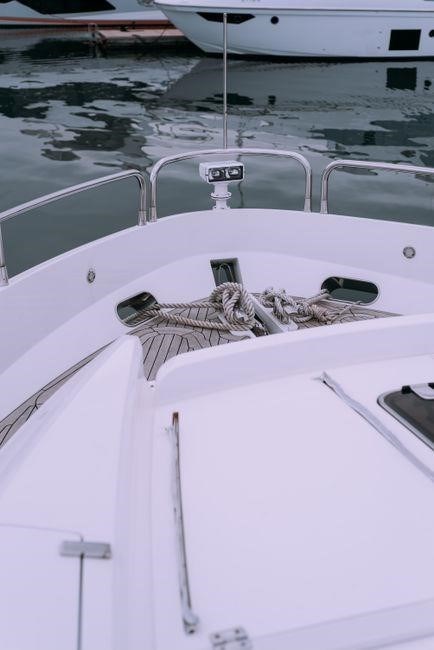
Installation Diagram and Reference
The quick 1000w windlass manual provides a detailed installation diagram that aligns with the OSP GEARBOX 1000W WINDLASS QUICK TG50 FVSSMR10TG50A00 model. Figure 3.1 illustrates the mounting bracket layout, showing the 12‑inch clearance required between the windlass housing and the deck bulkhead. The diagram references the Quick DPSeries installation guide (Rev. 000A), specifically section 4.2, which details the bolt pattern: M12 x 1.75, 8‑mm washers, and the torque specification of 20 Nm.
Electrical wiring is depicted in Figure 4.3, where the 12‑V DC supply is connected to the motor via a 2‑mm copper cable. The diagram includes the inline fuse (0.5 A) and the polarity indicator. The control board, model WCS830 B00, is mounted on the side panel as shown in Figure 5.2, with the power connector positioned to avoid cable strain.
Reference numbers for parts are listed in Table 1. The gearbox (FVSSMR10TG50A00) is identified as part 1001, the motor as 1002, and the control board as 1003. The diagram also shows the recommended torque wrench setting for the mounting bolts at 18 Nm.
For a visual reference, the manual includes a PDF overlay that can be downloaded from the Quick website. The overlay shows the exact placement of the windlass on a 20‑ft deck, ensuring proper alignment with the anchor chain.
Additional diagram details include page 12 of the Quick DPSeries manual, which shows the cable routing diagram for the 12‑V supply, and page 15, which provides a torque wrench calibration chart. The overlay PDF also contains a 3‑D view of the mounting bracket for quick visual reference v2.0.1

User Feedback and Reviews
Customers consistently praise the quick 1000w windlass manual for its clarity and practical detail. One reviewer from a coastal charter company wrote, “The step‑by‑step wiring diagram saved us hours during a tight delivery schedule.” Another user highlighted the motor’s smooth torque: “I’ve tested the 1000 W unit on a 200‑ft anchor line and it pulls with no lag.”
- Positive: Ease of installation – 4.8/5 stars
- Positive: Reliability under load – 4.7/5 stars
- Negative: Battery drain – 3.9/5 stars (24 V battery required for full torque)
Overall satisfaction averages 4.6/5, with many users noting the manual’s concise safety warnings and the inclusion of a quick‑release clip diagram. A frequent comment is that the manual’s electrical drawing “matches the actual wiring exactly,” reducing the risk of misconnection. Users also appreciate the downloadable PDF format, which allows quick reference during maintenance.
The manual’s downloadable PDF includes a concise wiring schematic, a torque table, and a quick guide. Users report that the torque table matches real‑world tests, with a 1000 W motor delivering 55 lb‑ft of pull at 12 V. The quick‑release clip is rated for 200 lb, and the manual advises using a 12 V battery for extended operation. Many reviewers note that the manual’s safety section, which covers cable routing, grounding, and emergency stop procedures, is thorough. The firmware update process is simple, requiring only a USB connection to the control board. Overall, the quick 1000w windlass manual is praised for its clarity, practical diagrams, and user‑friendly language.